
How to Incorporate Adult Learning Principles in Training Courses
The effectiveness of any learning experience depends not only on what is taught but also on how it is taught. This principle becomes particularly important when designing courses for adult learners. Unlike children and adolescents, adults bring a unique set of experiences, motivations, expectations, and learning preferences to the educational environment. Consequently, instructional approaches that work well in traditional school settings may not be equally effective for adult learners.
Adult learning, often referred to as andragogy, is a field of study that examines how adults learn and how educational experiences can be designed to meet their specific needs. Over the past several decades, researchers and practitioners have developed theories and principles that help educators create more engaging, relevant, and effective learning experiences for adults.
In today’s rapidly changing world, adult learning has become increasingly important. Organizations rely on continuous learning to develop employee skills, educational institutions serve growing numbers of nontraditional students, and professionals must continually update their knowledge to remain competitive. As a result, instructional designers face the challenge of creating courses that not only deliver content but also support adult learners in achieving meaningful outcomes.
This article explores the key principles of adult learning and provides practical strategies for incorporating them into instructional courses. Whether designing classroom training, online learning, blended learning experiences, or corporate development programs, these principles can significantly improve learner engagement, knowledge retention, and performance.
Understanding Adult Learning Theory
Adult learning theory is most closely associated with educator Malcolm Knowles, who introduced the concept of andragogy as a framework for understanding how adults learn.
Knowles argued that adult learners differ from younger learners in several important ways. Adults tend to be more self-directed, draw heavily on their life experiences, seek immediate application of knowledge, and are motivated by personal and professional goals.
According to Knowles, effective adult education should recognize these characteristics and adapt instructional strategies accordingly.
The six widely recognized principles of adult learning include:
1. Need to know
2. Self-concept
3. Prior experience
4. Readiness to learn
5. Orientation to learning
6. Motivation
These principles provide the foundation for designing effective learning experiences for adults.
Why Adult Learning Principles Matter
Many instructional programs fail because they treat adults as passive recipients of information rather than active participants in the learning process.
When adult learning principles are ignored, courses often suffer from:
- Low engagement
- Poor completion rates
- Limited knowledge retention
- Weak transfer of learning
- Reduced learner satisfaction
Conversely, courses designed around adult learning principles tend to produce:
- Higher motivation
- Increased participation
- Better performance outcomes
- Stronger application of skills
- Greater learner confidence
By understanding how adults learn, instructional designers can create experiences that are both effective and meaningful.

Principle 1: Adults Need to Know Why They Are Learning
One of the most important characteristics of adult learners is their desire to understand the purpose of learning.
Adults typically ask:
- Why am I learning this?
- How will this benefit me?
- What problem does this solve?
- How will this improve my performance?
Unlike children, who may accept learning activities because they are required, adults often expect a clear rationale before committing their time and effort.
How to Incorporate This Principle
Clearly Communicate Learning Objectives
Begin every course by explaining:
- What learners will achieve
- Why the content matters
- How it relates to their goals
Highlight Practical Benefits
Show learners how the knowledge or skills can be applied in real situations.
For example:
Instead of stating:
“This course covers data analysis techniques.”
Explain:
“This course will help you analyze business data more effectively, make informed decisions, and improve organizational performance.”
Connect Learning to Outcomes
Demonstrate how course completion contributes to:
- Career advancement
- Improved job performance
- Personal growth
- Problem-solving abilities
When adults understand the value of learning, engagement increases significantly.
Principle 2: Adults Are Self-Directed Learners
Adults generally prefer to take responsibility for their own learning.
They often want control over:
- What they learn
- How they learn
- When they learn
- The pace of learning
Excessively rigid instructional approaches can reduce motivation and engagement.
How to Incorporate This Principle
Offer Learning Choices
Provide options such as:
- Multiple learning paths
- Elective modules
- Various assignment formats
Enable Flexible Learning
Allow learners to:
- Access content on demand
- Learn at their own pace
- Review materials as needed
Encourage Goal Setting
Ask learners to establish personal learning goals.
Examples include:
- Improving leadership skills
- Developing technical expertise
- Enhancing communication abilities
Promote Self-Assessment
Provide opportunities for learners to evaluate their progress.
Self-directed learning fosters ownership and accountability.
Principle 3: Adults Bring Valuable Experience
Adult learners possess a wealth of personal and professional experiences that influence learning.
These experiences serve as:
- Knowledge resources
- Context for understanding
- Foundations for new learning
Ignoring learner experience wastes one of the most valuable assets in adult education.
How to Incorporate This Principle
Encourage Experience Sharing
Include activities such as:
- Group discussions
- Reflection exercises
- Peer learning sessions
Use Collaborative Learning
Create opportunities for learners to:
- Exchange ideas
- Solve problems together
- Learn from one another
Incorporate Case Discussions
Ask learners to connect concepts to their own experiences.
Questions might include:
- Have you encountered a similar situation?
- How did you address it?
- What lessons were learned?
Validate Existing Knowledge
Recognize and respect learners’ expertise.
Adults respond positively when their experiences are valued.
Principle 4: Adults Learn When They Are Ready
Adults become motivated to learn when they perceive an immediate need.
Readiness to learn is often triggered by:
- Job responsibilities
- Career transitions
- Organizational changes
- Personal challenges
- New opportunities
Timing significantly affects learning effectiveness.
How to Incorporate This Principle
Align Learning with Real Needs
Conduct needs assessments to identify learner priorities.
Provide Just-in-Time Learning
Deliver training when learners need it most.
Examples include:
- New software implementation
- Leadership promotion
- Regulatory changes
Use Relevant Scenarios
Present situations learners are likely to encounter.
Address Current Challenges
Focus on solving immediate problems rather than teaching abstract concepts.
Relevance increases readiness and engagement.
Principle 5: Adults Prefer Problem-Centered Learning
Adults generally focus on solving problems rather than acquiring knowledge for its own sake.
They want learning experiences that help them:
- Address challenges
- Improve performance
- Achieve goals
As a result, problem-centered instruction is often more effective than content-centered instruction.
How to Incorporate This Principle
Use Real-World Problems
Present authentic challenges that require application of knowledge.
Incorporate Scenario-Based Learning
Allow learners to make decisions and evaluate consequences.
Design Performance Tasks
Require learners to demonstrate practical skills.
Examples include:
- Creating project plans
- Conducting analyses
- Developing business proposals
Encourage Critical Thinking
Use open-ended questions that stimulate analysis and decision-making.
Problem-centered learning promotes deeper engagement and retention.
Principle 6: Adults Are Motivated by Internal Factors
Although external rewards such as certificates and promotions can be motivating, adults are often driven by intrinsic factors.
Examples include:
- Personal growth
- Achievement
- Confidence
- Mastery
- Purpose
Courses that support intrinsic motivation tend to produce more meaningful learning outcomes.
How to Incorporate This Principle
Foster Competence
Help learners experience success through achievable challenges.
Promote Autonomy
Provide control and flexibility.
Create Meaningful Experiences
Connect learning to personal values and goals.
Recognize Progress
Celebrate milestones and accomplishments.
Motivation increases when learners perceive growth and achievement.
Designing Adult-Centered Learning Objectives
Learning objectives serve as the foundation of course design.
For adult learners, objectives should emphasize practical application.
Instead of:
“Understand communication principles.”
Use:
“Apply communication strategies to resolve workplace conflicts.”
Effective objectives are:
- Specific
- Measurable
- Relevant
- Action-oriented
Adult learners prefer objectives that clearly indicate expected outcomes.
Using Real-World Contexts
Context plays a crucial role in adult learning.
Adults learn more effectively when instruction reflects real situations.
Practical Approaches
Workplace Simulations
Replicate job-related challenges.
Case Studies
Analyze authentic situations.
Role Plays
Practice interpersonal skills.
Projects
Create products relevant to professional responsibilities.
Authentic contexts strengthen transfer of learning.
Incorporating Active Learning
Passive lectures rarely produce optimal outcomes for adult learners.
Active learning encourages participation and deeper thinking.
Examples include:
- Discussions
- Simulations
- Debates
- Workshops
- Problem-solving activities
Active learning supports:
- Knowledge retention
- Critical thinking
- Skill development
The more learners do, the more they learn.
Leveraging Reflection
Reflection helps adults connect new knowledge to prior experience.
Reflection activities might include:
- Learning journals
- Guided questions
- Self-evaluations
- Peer discussions
Questions can include:
- What did you learn?
- How does this relate to your work?
- What will you do differently?
Reflection transforms experience into learning.
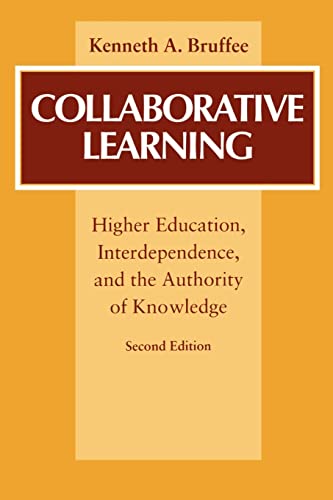
Encouraging Collaborative Learning
Although adults value independence, collaboration remains highly effective.
Benefits include:
- Exposure to diverse perspectives
- Knowledge sharing
- Peer support
- Improved problem-solving
Strategies include:
Group Projects
Teams work toward common goals.
Discussion Forums
Participants exchange ideas.
Peer Coaching
Learners support one another’s development.
Communities of Practice
Groups share expertise over time.
Collaboration enhances both engagement and learning outcomes.
Applying Adult Learning Principles in E-Learning
Online learning environments require special attention to adult learning needs.
Design Considerations
Flexible Access
Allow learners to access content anytime and anywhere.
Microlearning
Deliver information in manageable segments.
Interactive Elements
Include quizzes, simulations, and decision-making activities.
Personalized Learning Paths
Provide customized experiences.
Social Interaction
Support communication through forums and collaborative activities.
Effective e-learning combines flexibility with meaningful engagement.
Assessment Strategies for Adult Learners
Assessment should emphasize application rather than memorization.
Adults generally prefer assessments that demonstrate practical competence.
Examples include:
Projects
Create workplace solutions.
Portfolios
Document learning achievements.
Simulations
Demonstrate performance in realistic situations.
Presentations
Communicate understanding and expertise.
Case Analyses
Apply concepts to authentic problems.
Assessments should reflect real-world expectations whenever possible.
Providing Effective Feedback
Feedback is essential for adult learning.
Effective feedback should be:
- Timely
- Specific
- Constructive
- Action-oriented
Instead of saying:
“Needs improvement.”
Say:
“Consider providing more evidence to support your recommendation.”
Quality feedback promotes growth and confidence.
Common Mistakes to Avoid
Instructional designers sometimes undermine adult learning by making avoidable mistakes.
Overloading Content
Too much information reduces retention.
Ignoring Learner Experience
Failing to leverage existing knowledge wastes valuable resources.
Focusing on Theory Alone
Adults need practical application.
Excessive Control
Restricting autonomy can reduce motivation.
Using Generic Examples
Irrelevant examples decrease engagement.
Overreliance on Lectures
Passive instruction often limits participation.
Recognizing these pitfalls helps improve course effectiveness.
Technology and Adult Learning
Modern technologies provide powerful opportunities to support adult learning principles.
Examples include:
Learning Management Systems
Support self-paced learning.
Mobile Learning
Enable flexible access.
Virtual Reality
Create immersive simulations.
Artificial Intelligence
Personalize learning experiences.
Learning Analytics
Identify learner needs and progress.
Technology should serve instructional goals rather than drive them.
The focus must remain on learner needs.
Measuring Success in Adult Learning Programs
Evaluation helps determine whether adult learning principles have been effectively incorporated.
Key measures include:
Engagement Metrics
- Participation rates
- Course completion rates
- Time spent learning
Performance Metrics
- Assessment scores
- Skill demonstrations
- Workplace performance
Learner Feedback
- Satisfaction surveys
- Interviews
- Focus groups
Business Outcomes
- Productivity improvements
- Quality enhancements
- Reduced errors
Comprehensive evaluation supports continuous improvement.
Future Trends in Adult Learning
Adult learning continues to evolve in response to changing workplace and societal needs.
Emerging trends include:
Personalized Learning
Customized learning journeys.
Skills-Based Education
Focus on competencies rather than credentials.
Continuous Learning
Ongoing professional development.
AI-Supported Learning
Adaptive content and intelligent coaching.
Immersive Technologies
Virtual and augmented reality experiences.
Despite technological advances, the core principles of adult learning remain highly relevant.
Adults will continue to seek learning that is meaningful, practical, and applicable.
Conclusion
Incorporating adult learning principles into instructional courses is essential for creating effective, engaging, and impactful learning experiences. Adult learners differ from younger learners in important ways: they are self-directed, bring valuable experience, seek practical application, and are motivated by personal and professional goals.
By designing courses that acknowledge these characteristics, instructional designers can significantly improve learner engagement, knowledge retention, and performance outcomes. Key strategies include clearly communicating relevance, supporting learner autonomy, leveraging prior experience, emphasizing problem-solving, fostering collaboration, encouraging reflection, and providing opportunities for immediate application.
Whether designing classroom instruction, corporate training, higher education courses, or digital learning experiences, applying adult learning principles helps ensure that learning is not only informative but also meaningful and transformative. As organizations and individuals increasingly depend on continuous learning to adapt to changing environments, the ability to design adult-centered learning experiences will remain a critical skill for instructional designers and educators alike.
Ultimately, successful adult learning is not about delivering information. It is about creating opportunities for adults to solve problems, achieve goals, develop capabilities, and apply learning in ways that improve their professional and personal lives.